
From One Container to Ten: How a Nigerian Entrepreneur Tripled His Used Clothing Business in 12 Months
1. Introduction: The Power of a Single Decision
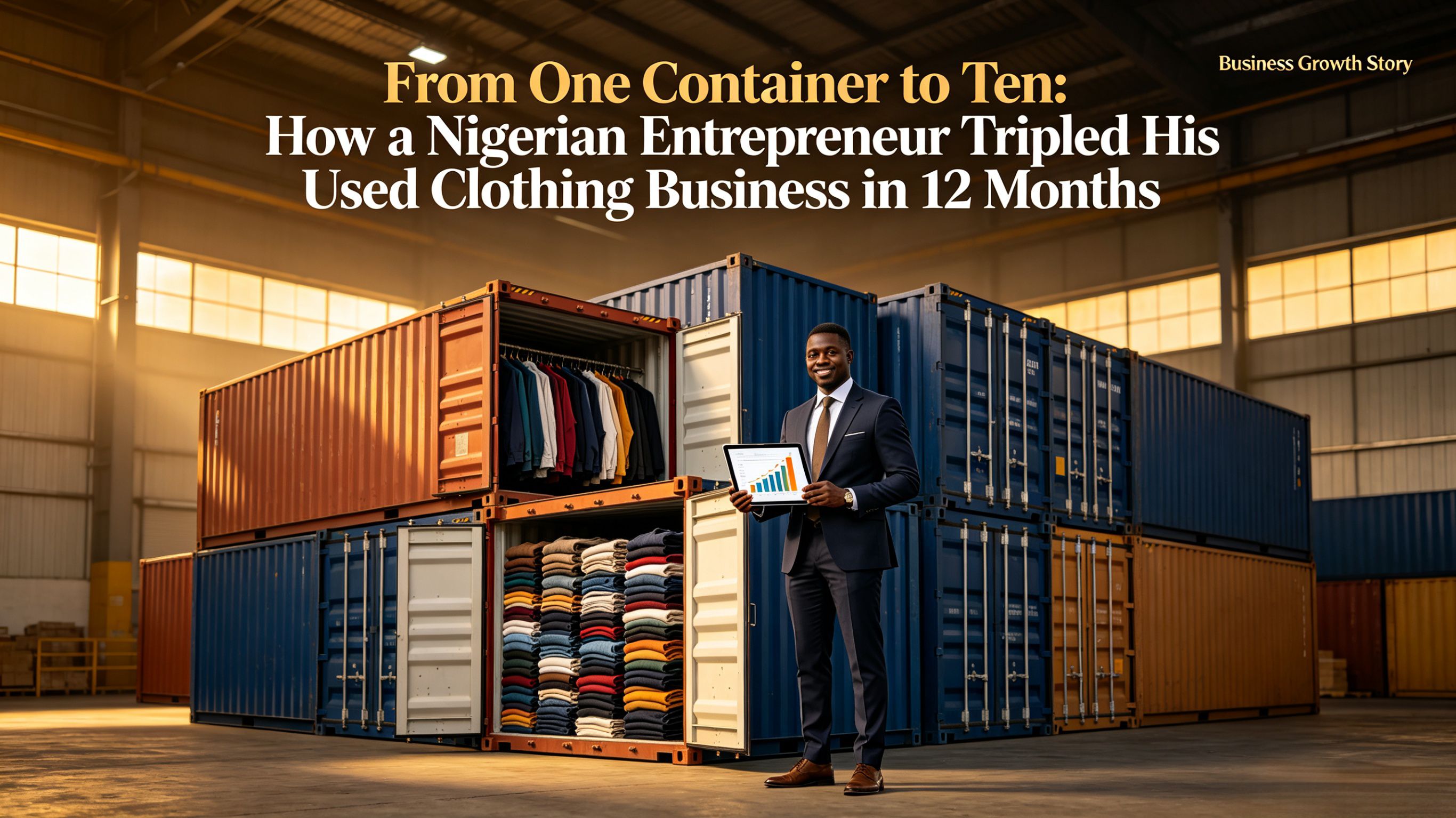
Every successful business empire starts with a single, often risky, decision. For Emeka, a young entrepreneur from Aba, Nigeria, that decision was investing his life savings into a single 40ft HQ container of used clothing from China. Just twelve months later, his small market stall has grown into a thriving wholesale operation, importing ten containers and supplying dozens of smaller traders across the region.
This is not a story of overnight luck. It is a story of strategy, quality sourcing, and smart scaling. In this detailed case study, we will break down exactly how Emeka transformed his used clothing business success from a single bale into a high-volume enterprise. Whether you are a beginner or an established trader, his journey offers a actionable blueprint for explosive growth.
(Note: The client's name has been changed for privacy, but the business metrics and strategies are based on a real partnership.)
2. The Starting Point: A Market Full of Doubt
When Emeka first entered the second-hand market in early 2025, he faced a landscape filled with challenges and "horror stories."
- The Fear of Scams: He had heard countless stories of traders losing their deposits to fake Chinese suppliers.
- Quality Concerns: The local market was flooded with "Grade C" garbage bales, making customers distrustful.
- Limited Capital: Like most beginners, he could only afford one container, meaning a single mistake could end his business permanently.
His first goal was not to "get rich," but simply to "not get cheated." This cautious mindset, as we will see, became the foundation of his success.
3. Phase 1 (Months 1-3): The Foundation of Trust
Emeka’s journey began with rigorous supplier verification. Instead of chasing the lowest price, he focused on finding a reliable factory partner.
- The Video Audit: He insisted on a live video tour of the factory floor before paying any deposit. He wanted to see the raw materials, the sorting lines, and the loading process with his own eyes.
- The First Order: He started with a single 40ft HQ container of a "Summer Mix" tailored for the hot Nigerian climate, including a small percentage of high-margin shoes and bags.
- The Result: When the container arrived, the quality matched the promise. His "sell-through rate" was over 90%, and he sold out his entire stock in just three weeks
Emeka’s first step was verification. Learn his method in our guide: How to Avoid Used Clothing Scams .
4. The Growth Metrics: A Visual Breakdown
Emeka’s used clothing business success can be best understood through his growth numbers over the 12-month period.
| Business Metric | Month 1 (Start) | Month 6 (Growth) | Month 12 (Scaling) |
|---|---|---|---|
| Containers / Month | 1 (40ft HQ) | 3 (40ft HQ) | 10 (40ft HQ) |
| Product Mix | Clothes Only | Clothes + Shoes | Clothes + Shoes + Bags |
| Customer Base | Direct Retail | Small Traders | Regional Wholesalers |
| Avg. Profit Margin | ~30% | ~40% | ~45% |
| Business Model | Stall Owner | Local Distributor | Regional Importer |
5. Phase 2 (Months 4-6): Diversifying the "Profit Mix"
After his initial success, Emeka realized that selling clothing alone limited his margins. Working with his supplier, he began to diversify his containers.
- Adding Shoes: He introduced a sack of Grade A branded sneakers (Nike, Adidas) into his orders. These high-demand items doubled his per-item profit.
- Introducing Bags: He used Used Bags to fill the gaps in his containers, effectively increasing his cargo value without raising his shipping costs.
- The "Mixed Container" Strategy: By shifting to a 70% Clothes, 20% Shoes, and 10% Bags mix, his overall profit margin jumped from 30% to 40%.
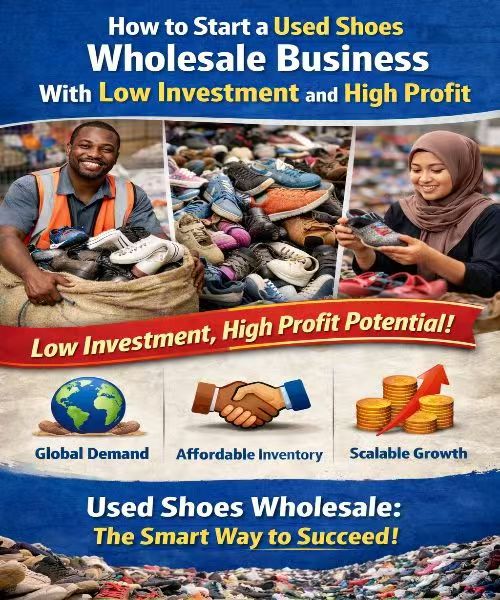
Discover the high-margin secret of footwear: The 2026 Wholesale Used Shoes Profit Guide.
6. Phase 3 (Months 7-12): Scaling from Retailer to Wholesaler
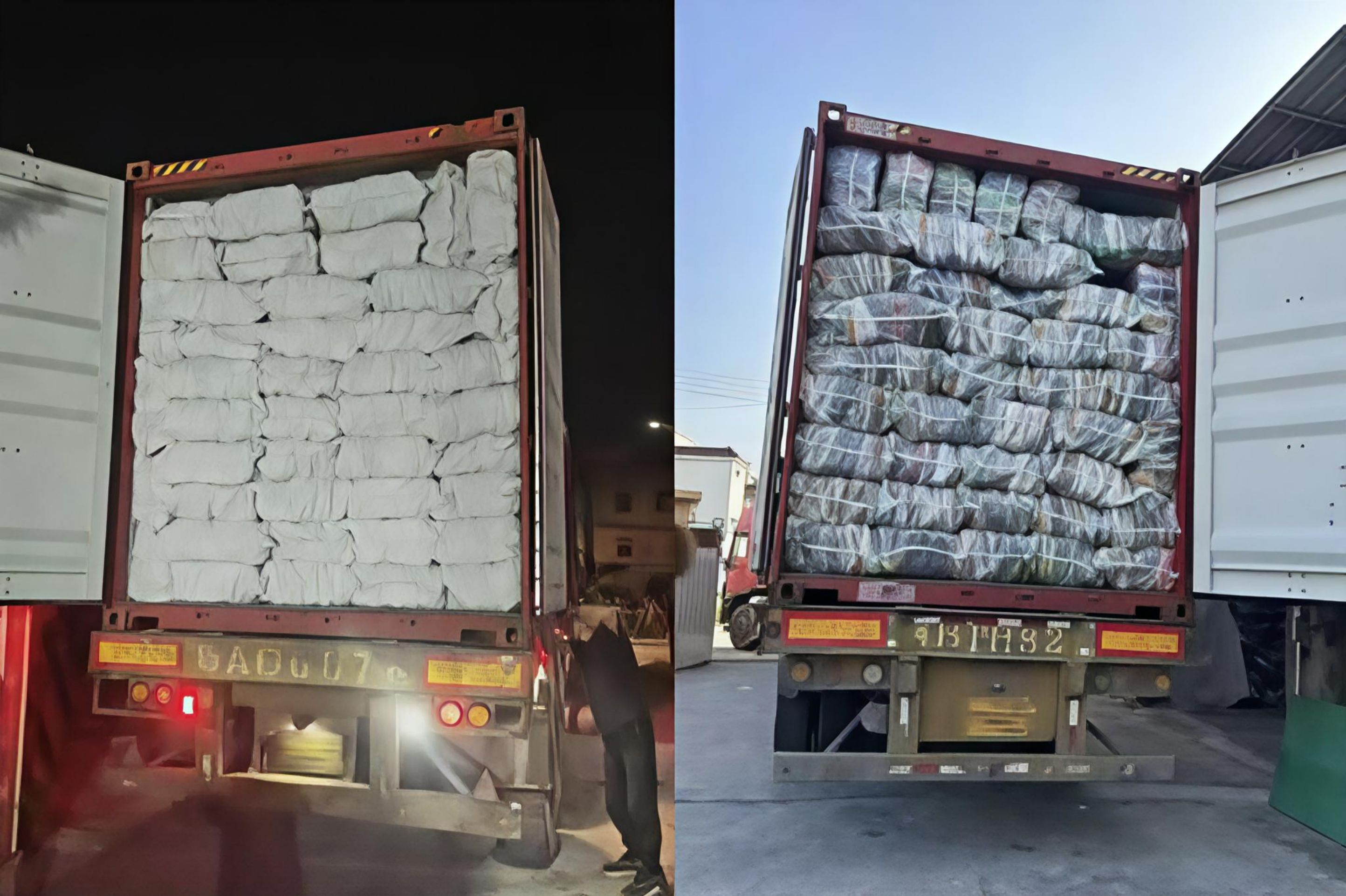
The biggest leap in Emeka’s used clothing business success came when he shifted his business model. Instead of just selling to end-customers, he started selling unopened bales to smaller traders.
- The B2B2B Model: He became a "Distributor." Smaller traders would buy bales directly from him, allowing him to move massive volumes of stock quickly.
- Faster Cash Flow: By pre-selling bales to his network before the container even arrived, he ensured instant cash flow to fund his next order.
- Building a Brand: He focused on consistency. Because his customers knew his bales were always "Grade A," they kept coming back, creating a loyal customer base.
7. The "Secret Sauce": Logistics and Documentation
A major reason for Emeka’s rapid scaling was his mastery of logistics. Many of his competitors had their containers stuck at the port of Lagos for weeks, bleeding money on demurrage fees.
- Proper Documentation: His supplier always provided perfect documentation, including the crucial Fumigation Certificate and CNCA registration for Nigeria.
- No Port Delays: Because his paperwork was always in order, his containers cleared customs quickly, allowing him to sell while his competitors were still waiting.
Avoid the costly port traps that stopped his competitors: The Insider's Handbook to Shipping & Clearing .
8. Key Lessons from Emeka’s Journey
Emeka’s story provides several powerful, actionable lessons for any aspiring importer:
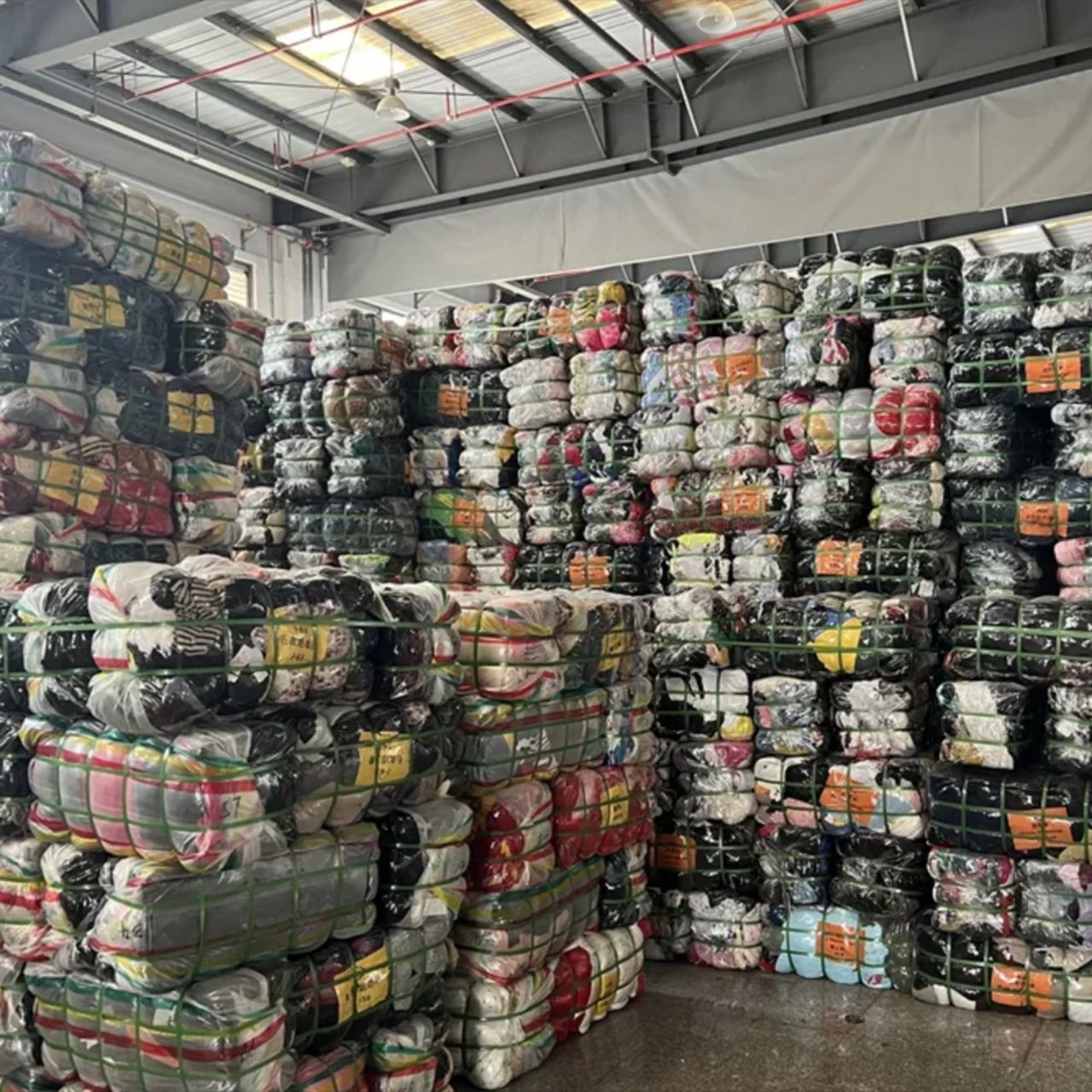
- Quality is King: A cheap, low-quality container is the fastest way to destroy your reputation. Invest in Grade A.
- Verify, Then Trust: Always audit your supplier before sending money. A reliable partner is your greatest asset.
- Diversify Your Mix: Don't just sell clothes. Add shoes and bags to maximize your profit per container.
- Master Logistics: Smooth customs clearance is a competitive advantage. Don't let your goods get stuck.
- Reinvest for Growth: Use the profit from each container to fund the next, creating a snowball effect.
9. FAQ: Replicating This Success
Q: Can a complete beginner achieve this?
A: Yes. Emeka started as a beginner. The key is starting with a reliable supplier and a high-quality first container to build a loyal customer base.
Q: How much capital is needed to start like Emeka?
A: Emeka started with a single 40ft HQ container. While the investment is significant, the high ROI (often 30-50%) allows for rapid reinvestment and growth.
Q: What was the single most important factor in his success?
A: Consistency. By always providing his customers with reliable, high-quality Grade A goods, he built a brand that customers trusted and returned to.
10. Conclusion: Your Success Story Starts Here
Emeka’s journey from a single container to a regional importing powerhouse is a testament to the incredible potential of the used clothing trade. His success was not built on luck, but on a foundation of quality sourcing, smart diversification, and a reliable factory partnership.
The same opportunity is available to you. Whether you are just starting out or looking to scale your existing operation, the path to used clothing business success is clear. All you need is the right strategy and the right partner.
At Guangzhou Tengchao Trading Co., Ltd. , we don't just sell containers; we build partnerships. We helped Emeka achieve his dream, and we are ready to help you write your own success story.
Are you ready to start your journey?
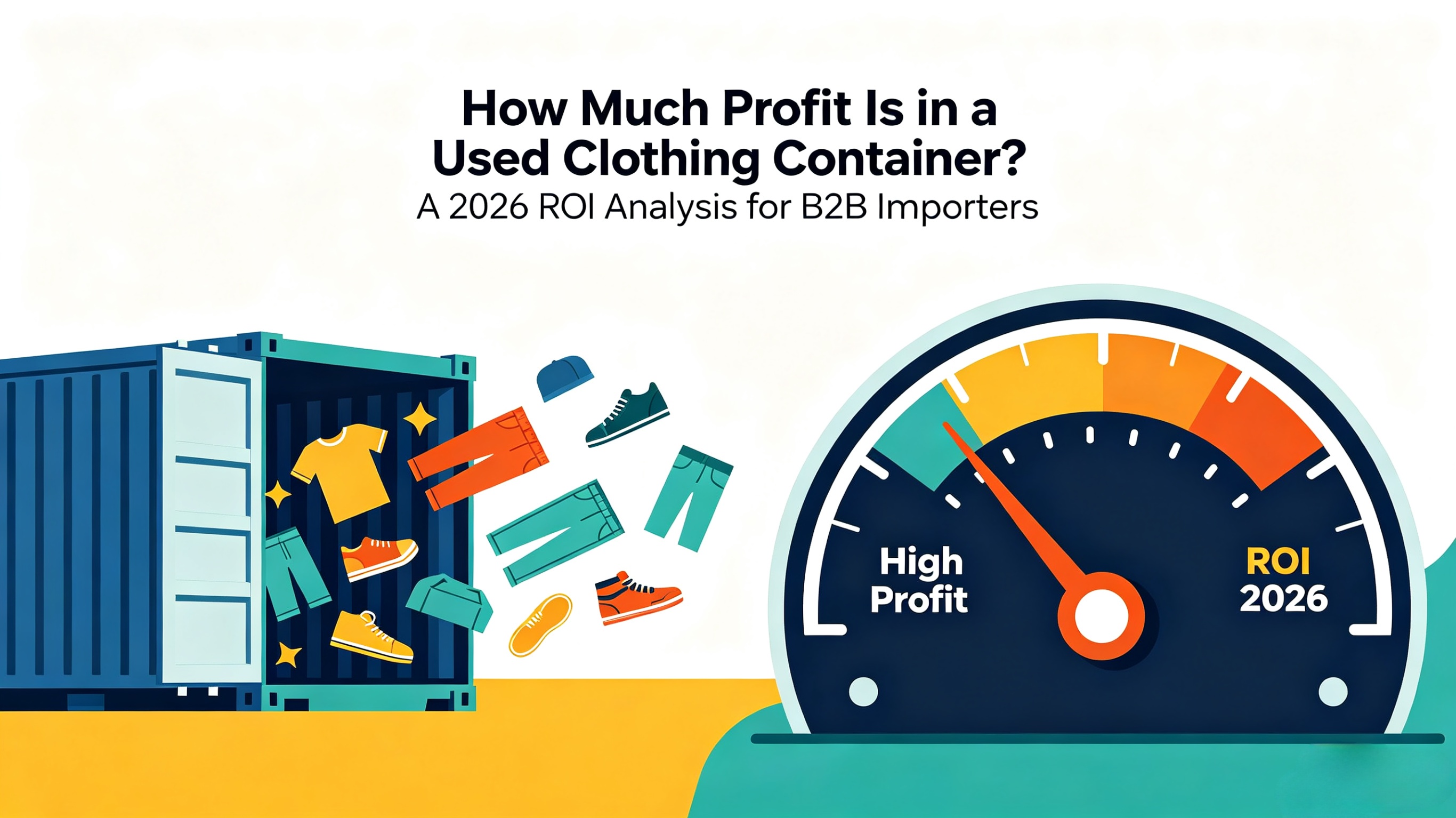
How Much Profit Is in a Used Clothing Container? A 2026 ROI Analysis for B2B Importers
Related Article