
The Definitive 2026 Guide to Sourcing Used Clothing, Shoes, and Bags from China: A B2B Importer’s Blueprint
1.Introduction: The Billion-Dollar Opportunity in Circular Fashion
The global second hand fashion market is undergoing a seismic shift. No longer confined to small-scale local charity shops, the industry has evolved into a sophisticated multi-billion dollar global supply chain. For entrepreneurs and established wholesalers in regions like Africa, Southeast Asia, and Latin America, importing used clothing, shoes, and bags from China represents one of the most stable and high-ROI (Return on Investment) business models of the decade.
In 2026, the demand for "Circular Fashion" is driven by two factors: economic necessity and environmental consciousness. However, the difference between a thriving wholesale business and a costly failure lies in sourcing. This comprehensive guide provides a technical and commercial blueprint for B2B importers looking to navigate the Chinese supply chain with confidence.
2.Why China is the World’s Powerhouse for Used Goods
For decades, the West was the primary source of used clothing. Today, China has taken the lead. But why?
- Rapid Fashion Cycles: In Tier-1 cities like Shanghai, Beijing, and Guangzhou, the middle class replaces their wardrobes at an unprecedented rate. This results in "used" items that are often only 6-12 months old, maintaining vibrant colors and modern styles.
- The Rise of Domestic Brands: Beyond international giants like Nike and Zara, Chinese high-end brands (Li-Ning, Anta) offer superior quality and style that are highly sought after in emerging markets.
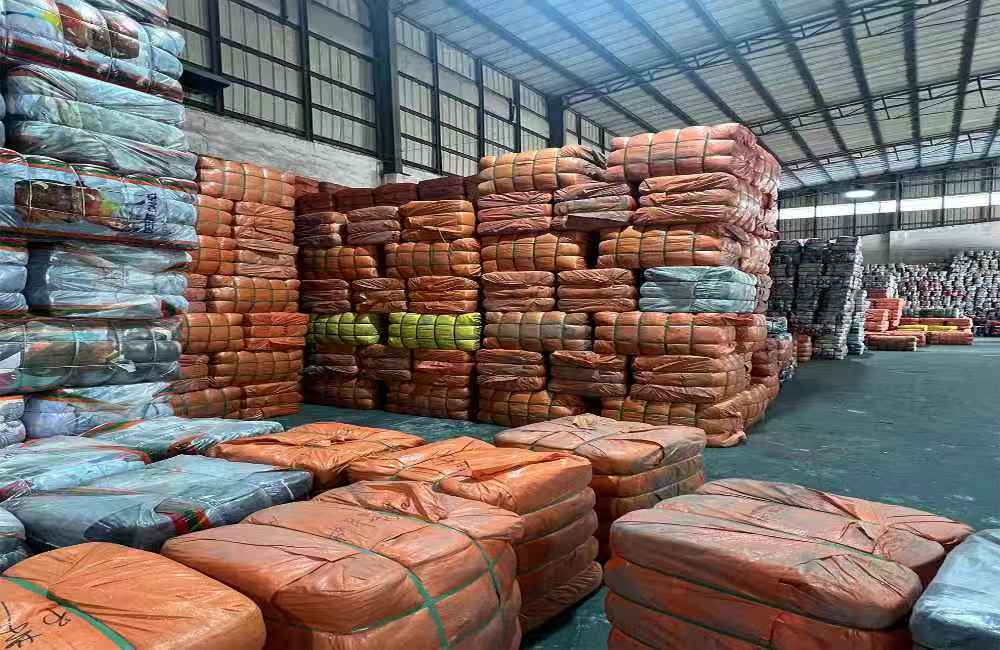
- Advanced Sorting Infrastructure: Chinese factories have moved beyond manual labor to semi-automated sorting lines, ensuring higher consistency in Grading Standards than many competitors in Europe or the US.
- Waste Sorting Legislation: Strict garbage classification laws in China have streamlined the collection of textiles, ensuring that raw materials are kept dry, clean, and sorted at the source.
3. Core Categories: Building a Balanced Inventory
A successful container is not just about quantity; it’s about the Product Mix.
A. Used Clothing: The Volume Driver Clothing is the foundation of your shipment. We categorize these into:
- Summer Mix: Lightweight dresses, T-shirts, and shorts. Crucial for tropical climates in West Africa and Southeast Asia.
- Winter Bales: Heavy jackets and sweaters, high demand in regions with cold seasons or high-altitude areas.
- Premium Fashion: Selective sorting of "trendy" items that can be sold at a premium in urban thrift stores.
B. Used Shoes: The Profit Booster Footwear is the "Gold Mine" of the industry. Because shoes have a higher weight-to-value ratio, they often carry the highest margins.
C. Used Bags: The High-Density Asset Bags are essential for "filling the gaps" in a container. They are lightweight, easy to stack, and have zero risk of breaking during transit.
4. The Science of Grading: Grade A vs. Grade B
In the B2B used trade, "Quality" is the only currency that matters. Buyers must understand the factory-level grading definitions to avoid "garbage bales."
- Grade A (Premium Export Quality):
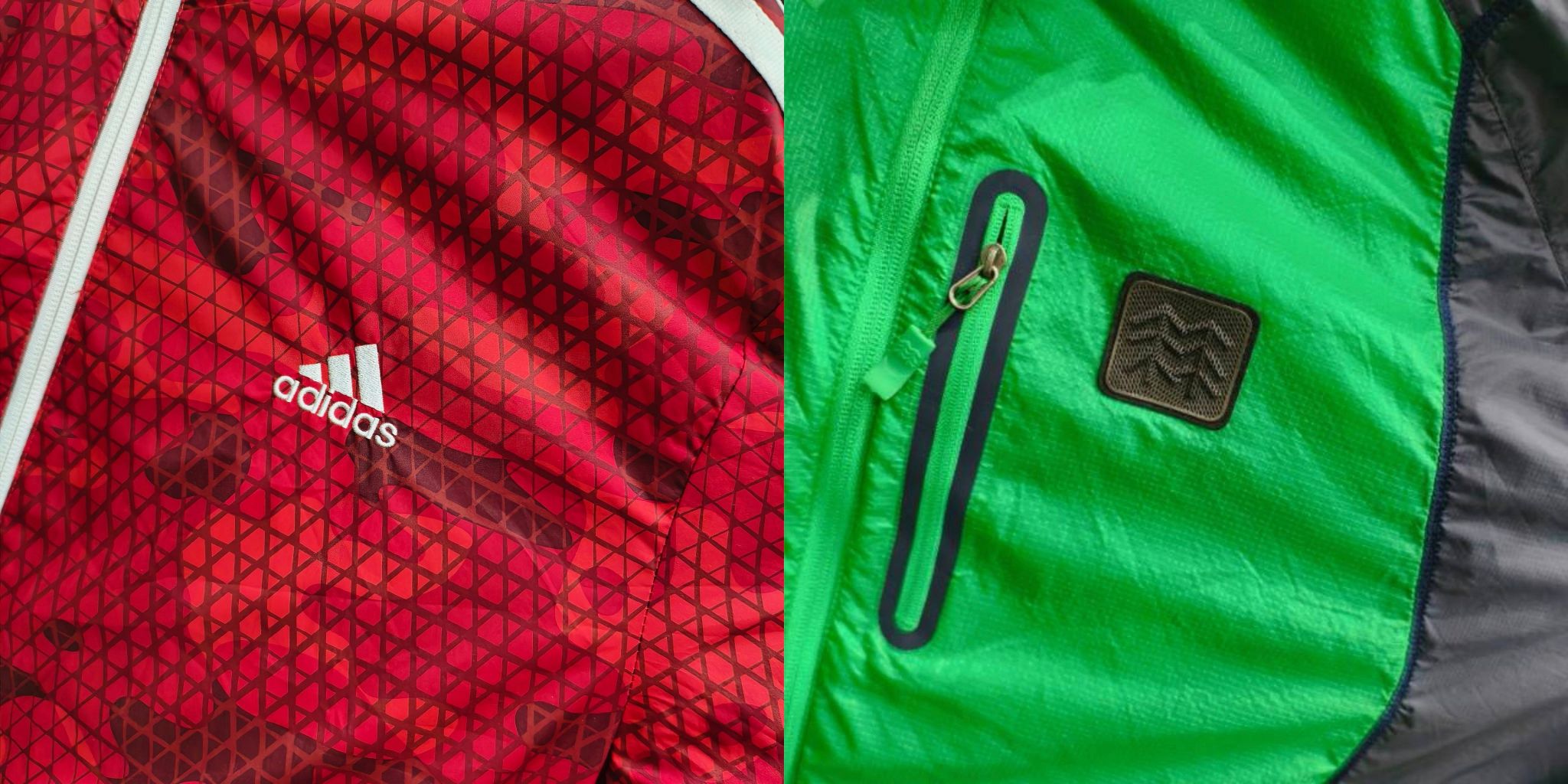
- Appearance: No holes, no stains, no heavy pilling, and no fading.
- Functionality: Zippers must work, buttons must be intact.
- Style: Modern cuts (post-2022 styles).
- Grade B (Economy Grade):
- Minor defects such as slight fading or small, repairable marks.
- Ideal for rural markets where the price-point is the primary concern for consumers.
Our Factory Protocol: Every bale undergoes a three-stage inspection. Stage 1 is raw material screening; Stage 2 is category sorting; Stage 3 is a 1-by-1 quality audit before pressing.
5. Step-by-Step Sourcing Process: From Inquiry to Port
Navigating a Chinese factory requires a structured approach.
- Specification Definition: Clearly state your market (e.g., "Nigeria Market Mix") and your preferred bale weight (45kg, 80kg, or 100kg).
- Factory Audit: If you cannot visit in person, request a live video tour of the sorting line. A real factory will show you the raw materials, the sorting process, and the loading bay.
- Proforma Invoice (PI) & Deposit: Standard B2B terms usually involve a 30-50% deposit to start the sorting and packing process.
- Production & Loading: Sorting a 40ft HQ container typically takes 7-14 days.
- Documentation: Ensure the factory provides the Bill of Lading (B/L), Packing List, Invoice, and required certificates (Fumigation, Health, or Phytosanitary).
6. Logistics Engineering: Optimizing the 40ft HQ Container
Shipping costs have become a volatile variable in 2026. To maintain profitability, you must master Loading Optimization.
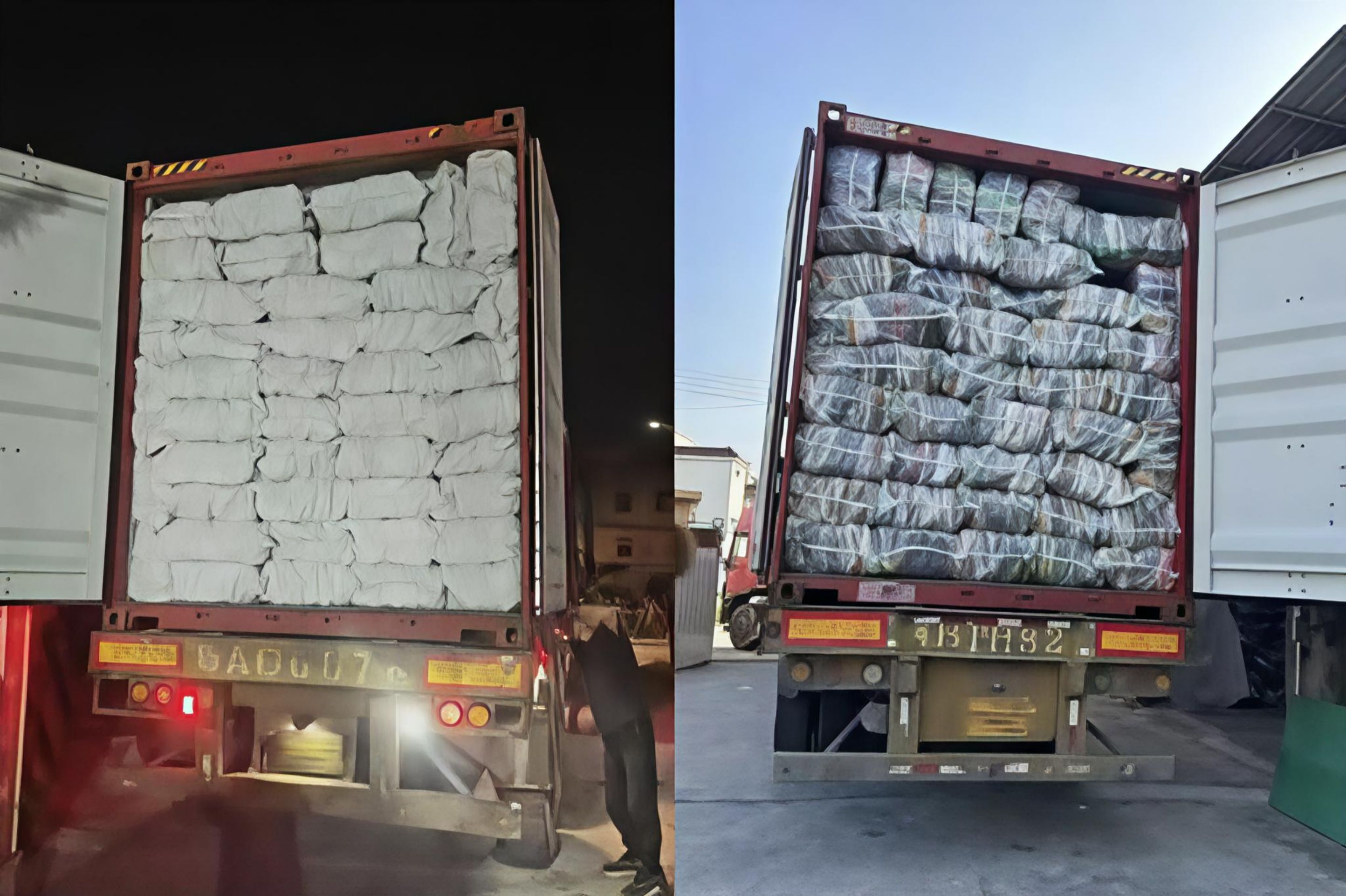
- 20ft GP vs. 40ft HQ: A 20ft container is rarely cost-effective for used clothes due to high fixed port fees. A 40ft HQ container, holding approximately 26,000kg to 28,000kg (depending on weight limits), offers the lowest "Freight Cost Per Bale."
- The Mix Strategy: Placing heavy shoe sacks at the bottom and lighter clothing bales on top prevents damage and ensures you utilize the full 76 CBM (Cubic Meters) of space.
- Weight Management: If your country has strict weight limits (e.g., 25 tons max), the factory must adjust the compression of the bales to fill the volume without exceeding the weight.
7. Risk Management: Avoiding the "Scam" and "Garbage" Traps
The industry is unfortunately home to "Trading Companies" posing as "Factories."
- Red Flag 1: Prices too good to be true. Quality sorting costs money. If a price is 30% lower than the market average, you are likely buying "Grade C" or domestic waste.
- Red Flag 2: Refusal of Video Audits. If they won't show the warehouse in real-time, they likely don't have the stock.
- The Solution: Look for factories with long-term export records and specialized certifications.
8. Sustainability: The ESG Impact of Your Business
By importing used clothing, you are participating in the Circular Economy.
- Carbon Offset: One ton of reused clothing saves approximately 3.6kg of CO2 and 6,000 liters of water compared to producing new textiles.
- Economic Empowerment: Your business creates thousands of jobs in your local market—from tailors and cleaners to retail shop owners.
9. FAQ: Frequently Asked Questions
- Q: What is the minimum order quantity (MOQ)?
- A: For international export, the MOQ is typically one 20ft container, though a 40ft HQ is recommended for better ROI.
- Q: Can I customize the items in my bales?
- A: Yes. Professional factories allow you to customize the percentage of Men’s, Ladies', and Children’s wear based on your local demand.
- Q: How long does shipping take from China?
- A: To Africa: 35-50 days. To Southeast Asia: 7-15 days. To Latin America: 30-45 days.
10. Conclusion: Your Success Starts with the Right Partner
The used clothing business in 2026 is no longer about just "buying old clothes." It is about supply chain management, quality consistency, and market-specific expertise. Whether you are a seasoned importer or a newcomer, your choice of factory in China will be the single most important factor in your success.
Are you ready to scale your business with Grade A Chinese used goods?
The 2026 Global Importer’s Blueprint: Analyzing Used Clothing Demand in Africa vs. Southeast Asia
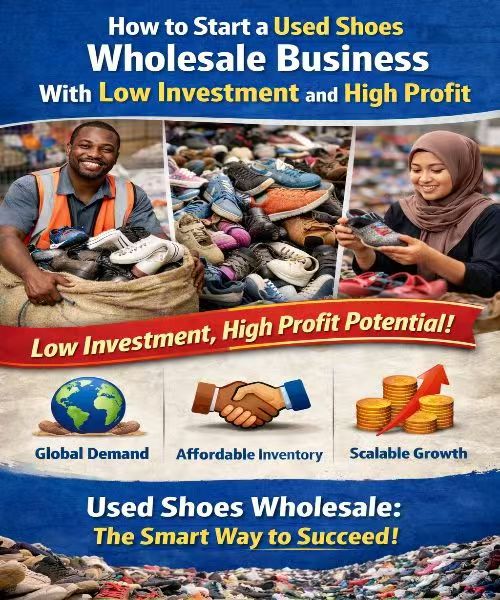
How to Start a Used Shoes Wholesale Business With Low Investment and High Profit
Related Article