
The 2026 Global Importer’s Blueprint: Analyzing Used Clothing Demand in Africa vs. Southeast Asia
1. Introduction: The Strategic Importance of Regional Market Insight
In the multi-billion dollar global second-hand trade, "knowledge" is the highest-margin product. As we move into 2026, the landscape of the used clothing, shoe, and bag industry has shifted from a simple "buy and sell" model to a sophisticated, data-driven supply chain. For B2B importers, the primary challenge is no longer just finding a supplier, but finding the right mix for their specific local market.
Two regions currently dominate global imports: Africa and Southeast Asia. While both are massive consumers of Chinese exports, they are fundamentally different markets with unique demands for sizing, style, branding, and logistics. This guide will dissect these differences to help you optimize your 40ft HQ container for maximum ROI.
2. The African Market: The World’s Engine for Volume and Durability
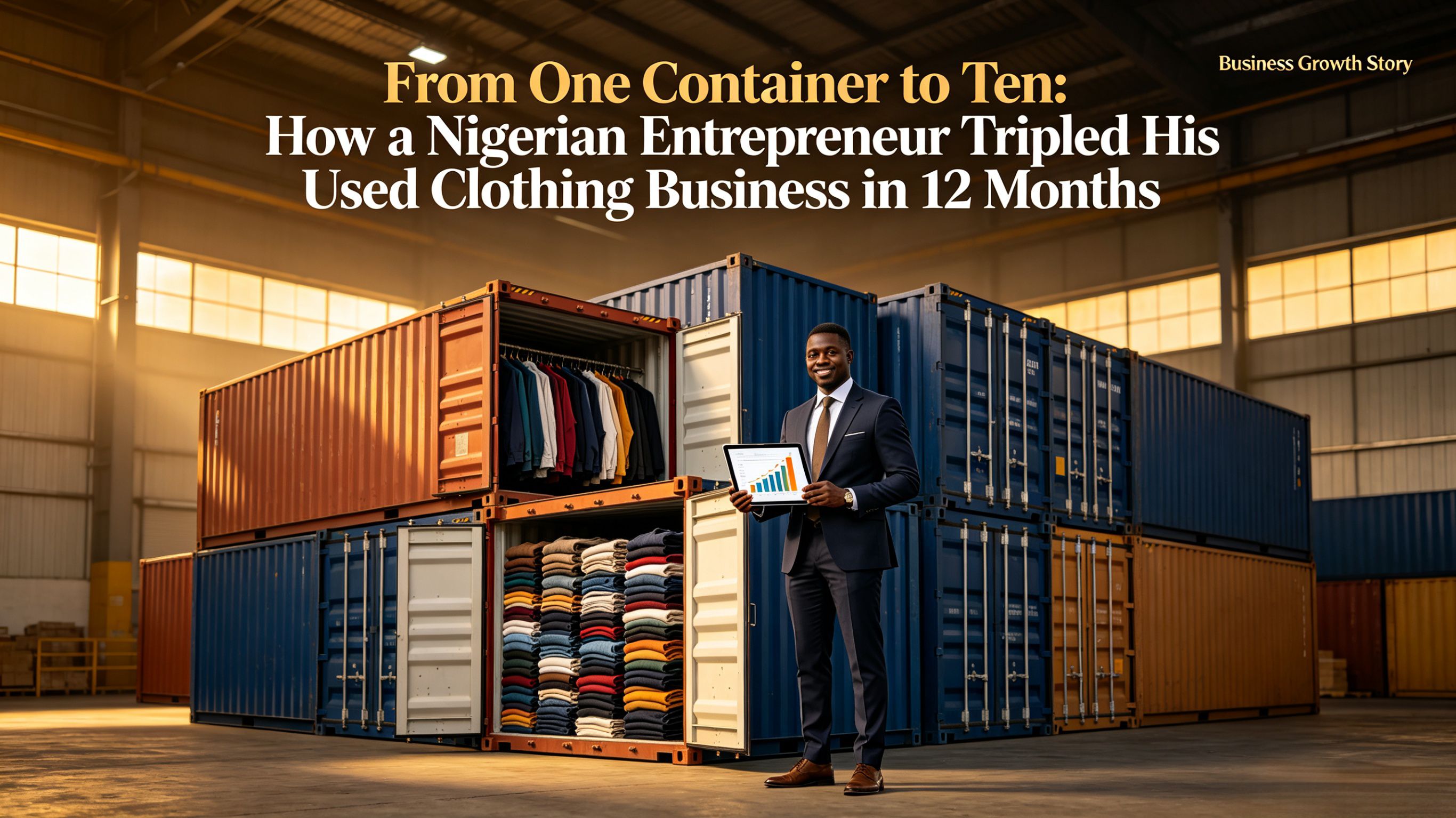
Africa is the historical and current powerhouse of the second-hand textile trade. From the bustling markets of Lagos (Nigeria) and Accra (Ghana) to the thriving distribution hubs in Nairobi (Kenya) and Dar es Salaam (Tanzania), the African market is built on the concept of "Volume and Utility."
A. Sizing and Fabric Preferences The African market generally demands larger, more generous cuts. Western and Chinese "L, XL, and XXL" sizes are the most popular. In terms of fabrics, 100% Cotton is the undisputed king. Due to the tropical and sub-tropical climates, breathable natural fibers are preferred over synthetic polyesters.
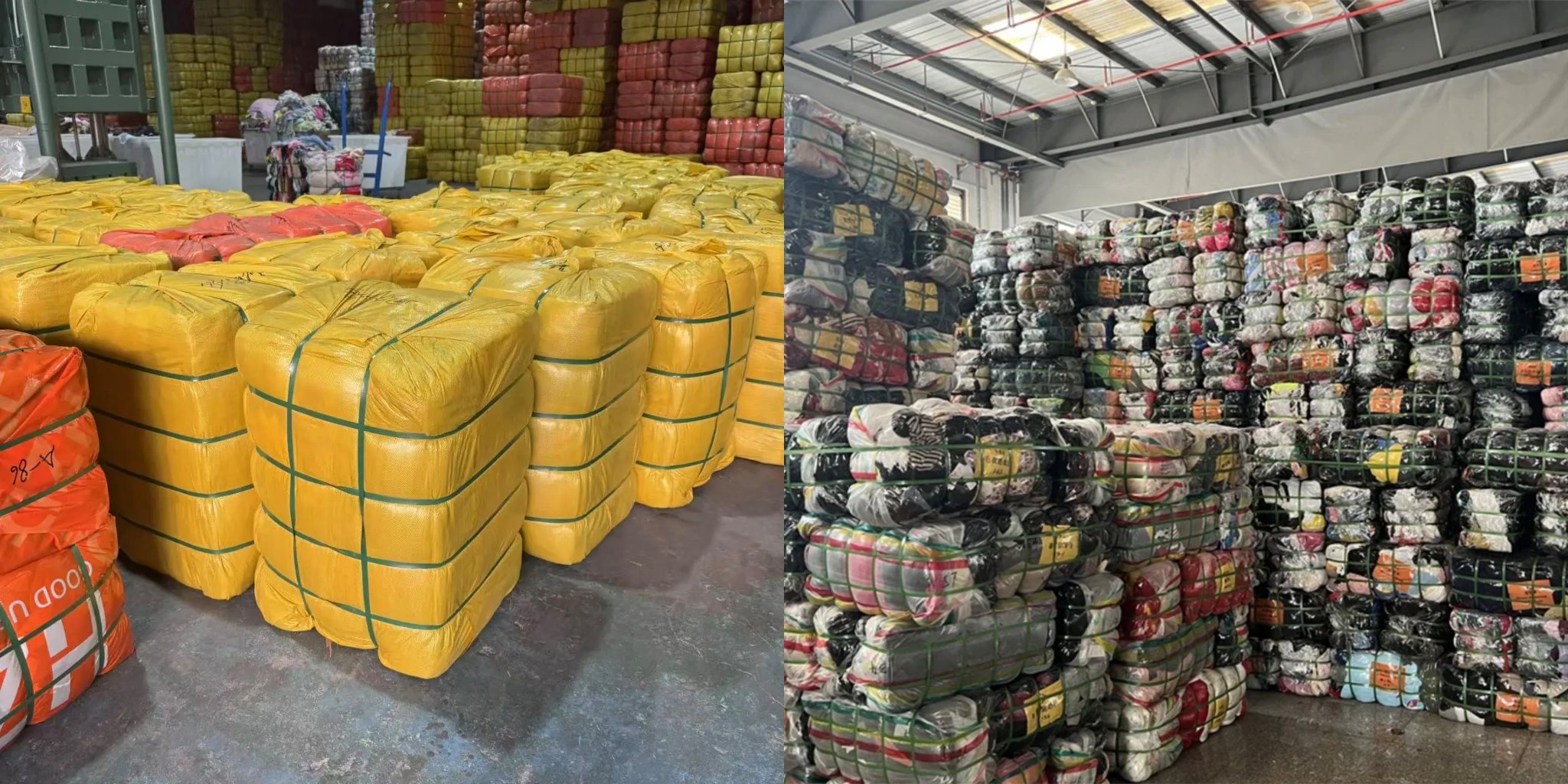
B. The Economics of the "Big Bale" (100kg Standard) Unlike other regions, Africa’s logistics and retail networks are optimized for high-compression bales.
- The 100kg Bale: This is the industry standard for Africa. It allows for the highest density in a 40ft HQ container (fitting up to 28,000kg).
- The 45kg/55kg Premium Bale: Reserved for "Cream" quality items or branded sports shoes, where preventing crush damage is worth the higher freight cost per kilogram.
C. Religious and Cultural Nuances Importers must be aware of local customs. In Northern Nigeria or East African Muslim communities, there is a massive year-round demand for modest wear, including long skirts, scarves (Hijabs), and high-quality traditional robes.
To see how our factory ensures the durability needed for the African market, visit our 2026 Ultimate Sourcing Blueprint.
3. The Southeast Asian Market: The Rise of "Ukay-Ukay" and Gen-Z Fashion
Southeast Asia, particularly the Philippines, Thailand, Cambodia, and Malaysia, has transformed the second-hand trade into a fashion-forward "Thrift Culture."
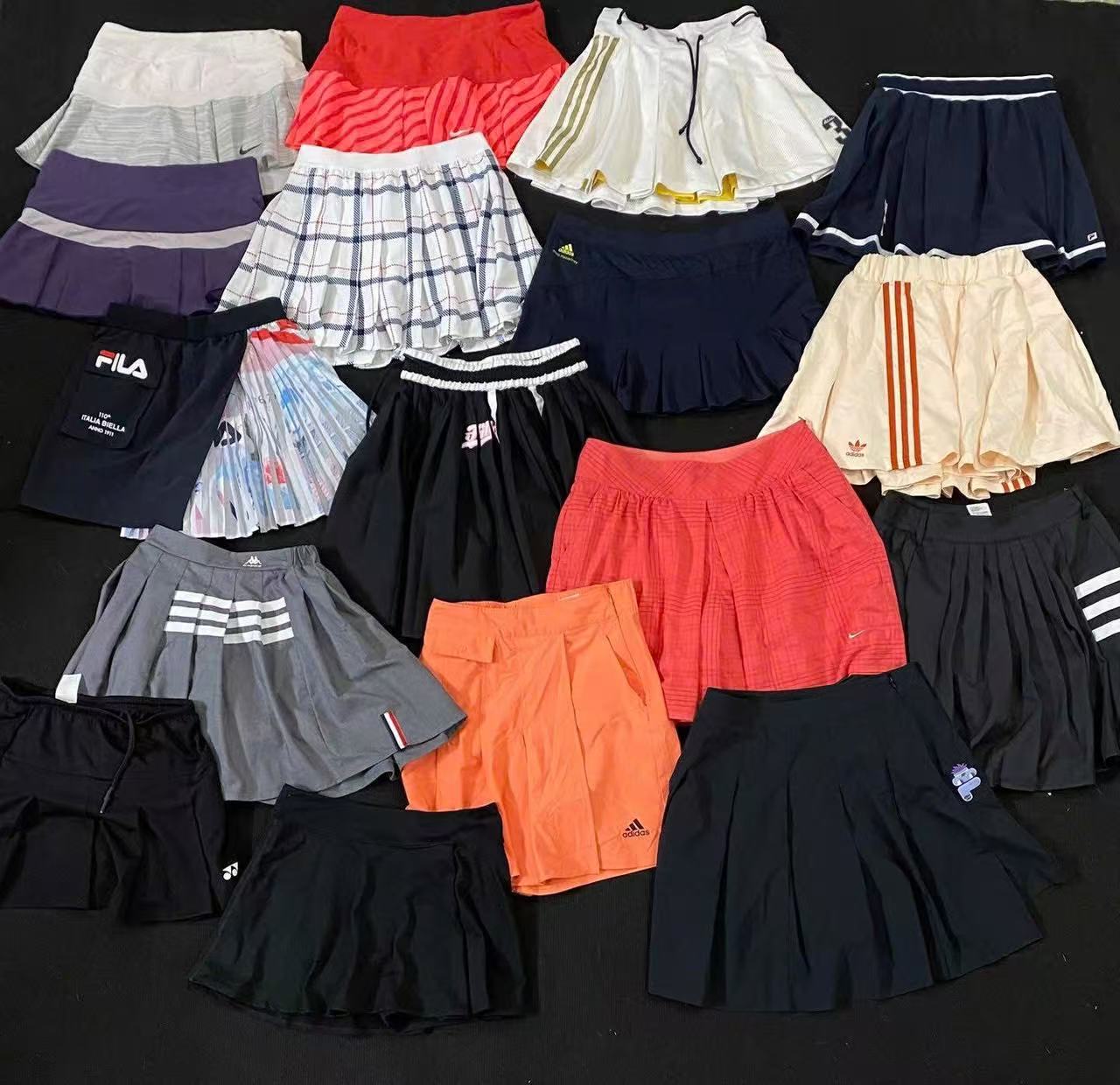
A. Style over Utility The Southeast Asian buyer is often younger and highly influenced by social media trends from TikTok and Instagram. They aren't just looking for "clothes"; they are looking for "Vintage Aesthetic" and "Korean/Japanese Style" cuts. Skinny jeans, oversized hoodies, and crop tops are currently the top-performing categories.
B. Brand Obsession Nowhere is the demand for Used Branded Sneakers higher than in the Philippines and Thailand. While African buyers look for durability in shoes, Southeast Asian buyers look for the "Logo." Nike, Adidas, Converse, and Vans are the "currency" of the Southeast Asian ukay-ukay market.
C. Sizing Reality: The "Small & Medium" Rule The sizing profile is the polar opposite of Africa. Importers in Southeast Asia actively avoid large Western sizes. A container filled with US-sized "XL" t-shirts will often sit unsold in a Manila warehouse. The focus must be on Asian Sizing (S and M).
Our sneaker sorting line is specifically tuned for the Southeast Asian brand demand. Read our Deep Dive into Used Branded Shoes
4. Categorical Deep Dive:Shoes and Bags
To maximize your ROI, you must tailor your shoe and bag mix to these regional realities.
| Category | Africa Demand Profile | Southeast Asia Demand Profile |
| Used Shoes | Rugged leather shoes, School shoes, Functional runners. | Branded sneakers, Basketball shoes, "Platform" fashion shoes. |
| Used Bags | Large Totes, Heavy-duty Backpacks, Travel duffels. | Mini-crossbody bags, Designer-style handbags, Trendy backpacks. |
| Preferred Weights | 25kg sacks (Men/Women/Kids mix). | 25kg sacks (Branded/Premium focus). |
Logistics Secret: For Africa, we often place used bags inside the shoes or at the top of the container to act as "cushioning" for the heavier bales at the bottom.
5. Logistics, Lead Times, and Seasonal Planning
One of the most overlooked aspects of B2B importing is the Seasonal Lead Time.
- Shipping to Africa (20-50Days): Because of the long transit time, African importers must order their "Summer Tropical Mix" during the Chinese winter. If you wait until it’s hot in Lagos to order, you will miss the peak selling season.
- Shipping to Southeast Asia (7-15 Days): The proximity to China allows for "Agile Sourcing." Importers can react to sudden fashion trends (like a specific sneaker becoming popular on TikTok) and have stock in their warehouse within 2-3 weeks.
Port Handling and Customs: African ports (like Apapa in Nigeria) are known for complex clearing processes. We provide specialized documentation, including CNCA/SONCAP for Nigeria and Fumigation Certificates for all regions, to ensure your container doesn't get stuck in port, incurring daily demurrage fees.
6. ROI Analysis: Price vs. Sell-Through Rate
- Africa Strategy: Profit is made through volume. Buying a lower-priced but "clean" Grade A mix and moving thousands of 100kg bales a year is the path to wealth.
- Southeast Asia Strategy: Profit is made through curation. Spending more per kg to get "Cream" quality branded items and selling them individually in urban boutiques yields a higher margin per item.
7. FAQ: Expert Advice for New Importers
Q: My market is in West Africa, but I want "Fashion" styles. Should I buy the SE Asia mix?
A: No. The SE Asia mix will have too many small sizes that won't fit your customers. Instead, ask us for our "African Premium Fashion" sort—it’s the right style but in the right sizes for your region.
Q: Why do some factories offer much lower prices for the Philippines?
A: Beware of "Domestic Sorts." Some suppliers sell clothes that were collected but not properly cleaned or graded. In a fashion-conscious market like the Philippines, "Dirty" or "Outdated" stock will never sell.
Q: Do you help with the container loading plan for mixed orders?
A: Absolutely. We provide a 3D-style loading map for every mixed container to ensure that shoes, bags, and clothes are balanced for weight and volume.
8. Conclusion: Your Regional Growth Partner
The global second-hand trade is a game of precision. Whether you are aiming for the high-volume markets of the African continent or the high-fashion boutiques of Southeast Asia, your success is tied to your supplier's ability to understand these local nuances.
At Guangzhou Tengchao Trading Co., Ltd., we don't just export clothes; we provide market-ready assets. Our specialized sorting teams are divided by region, ensuring that your container is packed with the exact sizes, styles, and bale weights your customers are asking for.
Are you ready to dominate your local market?
How Much Profit Is in a Used Clothing Container? A 2026 ROI Analysis for B2B Importers
The Definitive 2026 Guide to Sourcing Used Clothing, Shoes, and Bags from China: A B2B Importer’s Blueprint
Related Article