
High-Profit Sourcing: The 2026 B2B Guide to Wholesale Used Bags from China
1. Introduction: Why Used Bags are the "Secret Weapon" of Top Importers
In the competitive landscape of the second-hand trade, savvy importers know that used bags are more than just a fashion accessory—they are a strategic asset. While clothing provides the volume and shoes provide the branding, used bags offer the highest Value Density. This means they take up relatively little space in a container but command high resale prices, effectively lowering your "freight cost per dollar of profit."
As the global demand for sustainable luxury and functional vintage grows, sourcing Grade A used bags from China has become a primary focus for wholesalers in 2026. This guide will explore the technical standards, market trends, and logistics hacks that can help you turn a shipment of used bags into a high-growth business.
2. The China Advantage: Urban Style and Luxury Saturation
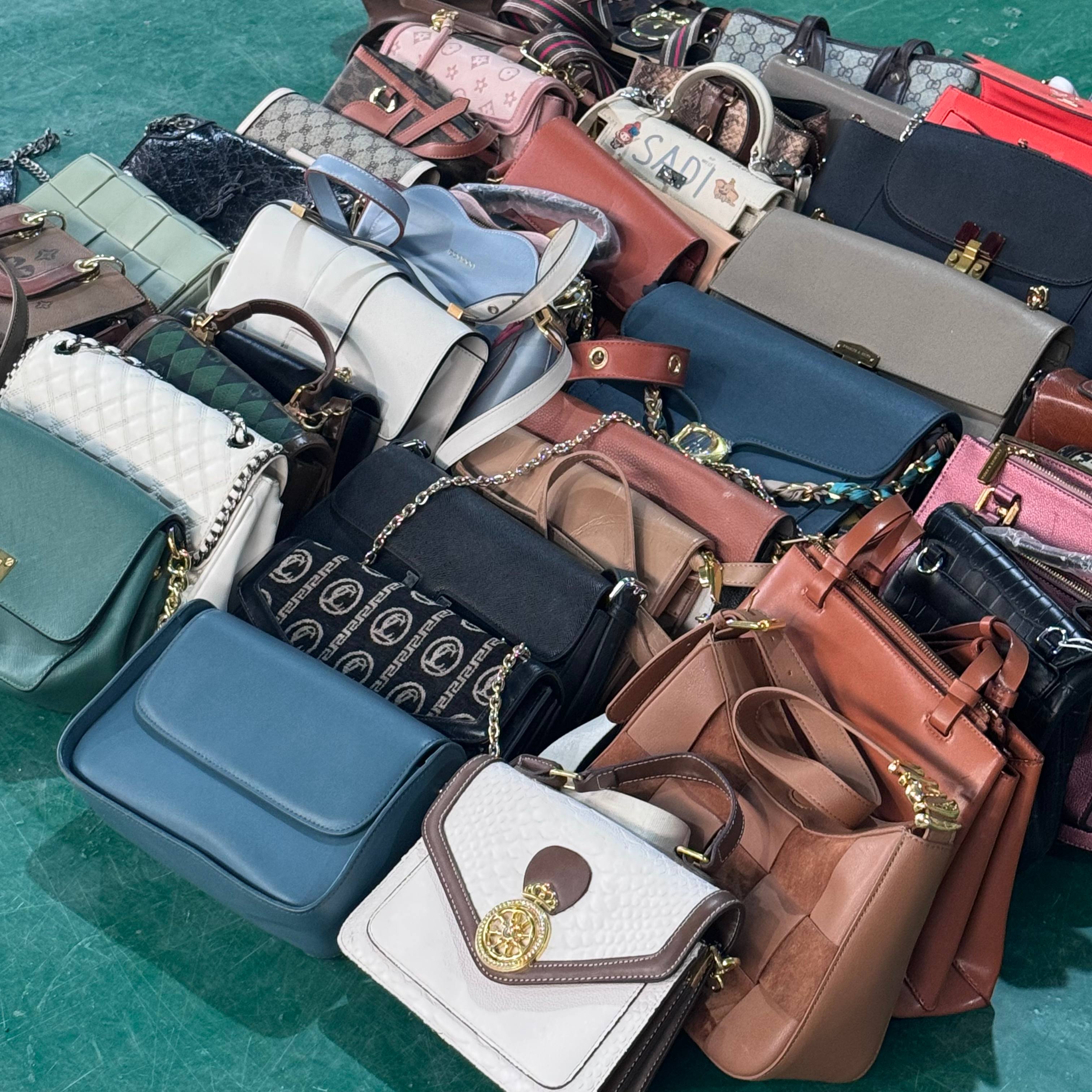
China is currently the most dynamic market for second-hand bags. The rapid rise of urban fashion culture in cities like Guangzhou and Shenzhen ensures a supply chain that is:
- Brand-Rich: Chinese consumers are among the world's top buyers of luxury and "affordable luxury" brands (Coach, MK, Longchamp, etc.).
- High Replacement Rate: Many bags are discarded or sold to recyclers after only one season of use, meaning the hardware and leather remain in excellent condition.
- Diverse Styles: From trendy crossbody bags and professional briefcases to rugged backpacks and school bags, the variety available in China is unmatched.
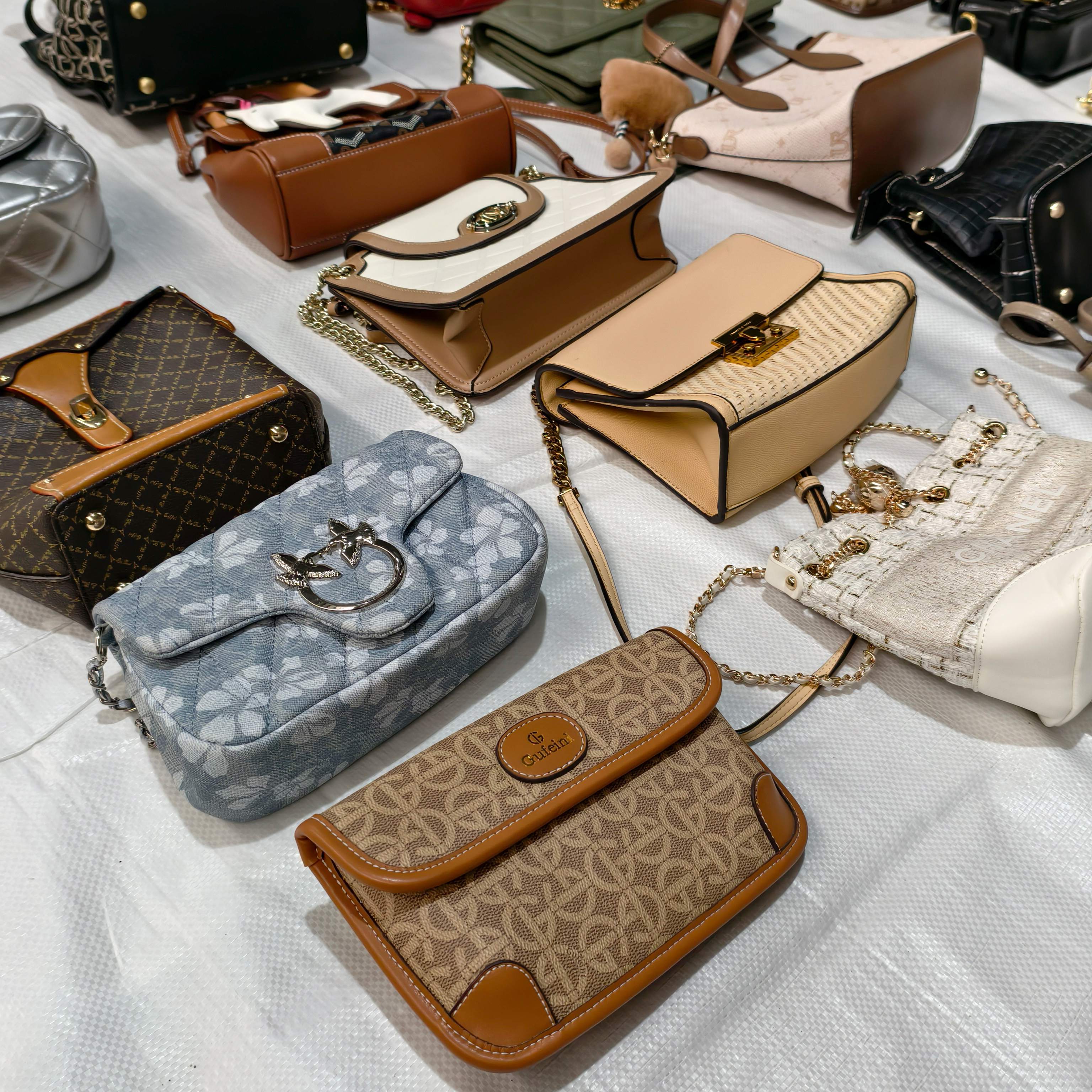
3. Grading Standards for Used Bags: The "Five-Point Inspection"
Quality consistency is the biggest challenge in wholesale bags. At our facility, we utilize a Five-Point Inspection System to define our Grade A standard:
- Hardware & Zippers: We check for oxidation, scratches, and smooth zipper functionality. Grade A bags must have functional zippers and "bright" hardware.
- Corners & Piping: The corners of a bag are where wear shows first. We reject any bags with exposed piping or heavy scuffing.
- Straps & Handles: We ensure that straps are not cracked and handles are not peeling (a common issue with low-quality PU leather).
- Interior Lining: No ink stains, no rips, and no foul odors.
- Material Integrity: Leather must be supple; canvas and nylon must be free of snags or fading.
Quality standards for bags are as rigorous as our footwear criteria. Check out our 2026 Guide to Wholesale Used Shoes to see how we maintain consistency across all categories.
4. Category Mix: What Sells Best in 2026?
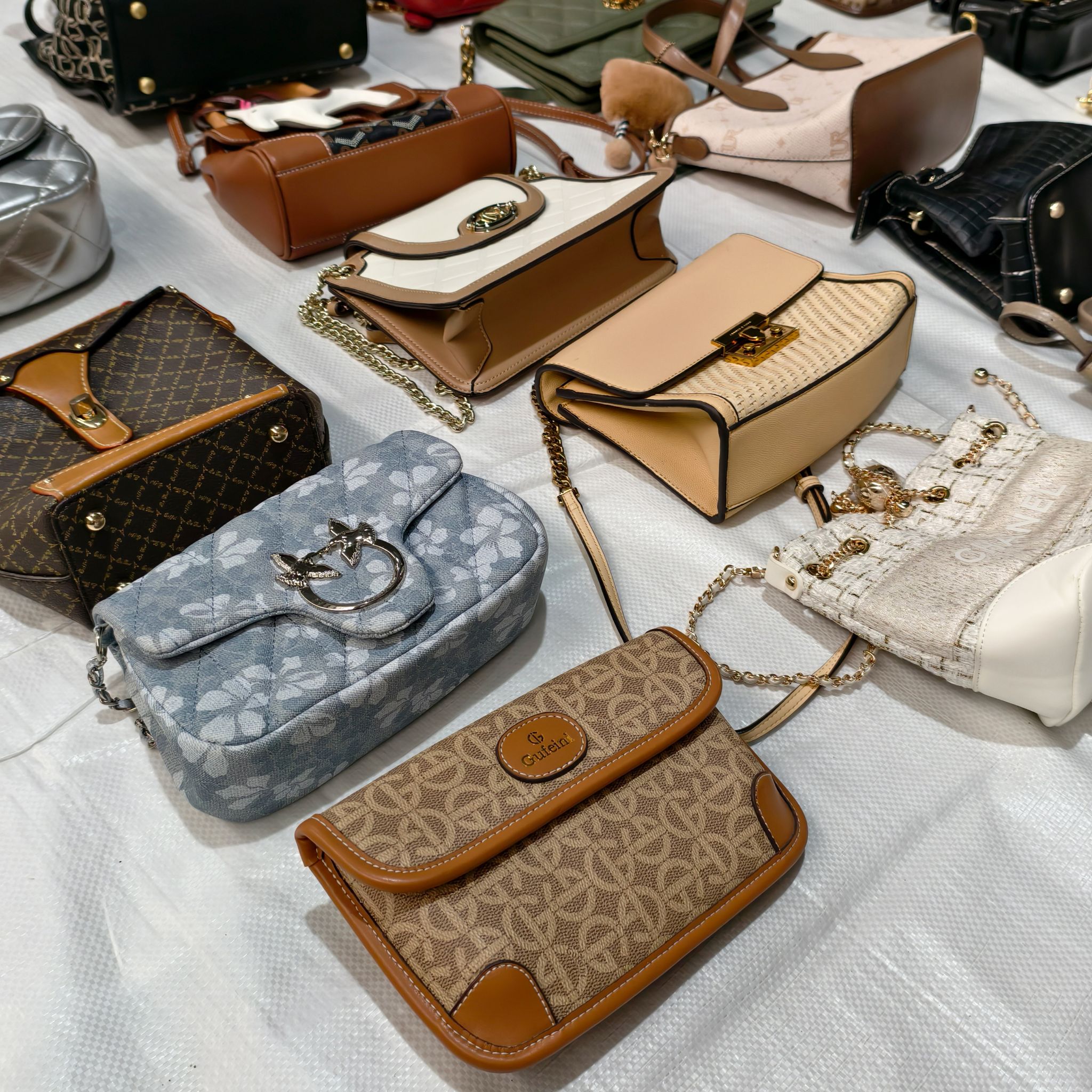
To maximize your ROI, your container should have a balanced mix of categories tailored to your local market:
- Ladies' Fashion Bags (40-50%): Handbags, totes, and clutches. These are the highest-margin items.
- Crossbody & Messenger Bags (20-30%): Currently the #1 trending category in Southeast Asia and Africa due to their practicality and "streetwear" appeal.
- Backpacks & School Bags (15-20%): A stable, year-round category with massive volume demand during "Back to School" seasons.
- Branded & Designer Tier: A small but powerful percentage of labels like Coach, Michael Kors, Kate Spade, or high-end sports brands like Nike and Adidas.
5. Logistics Hack: Using Bags to Save Freight Costs
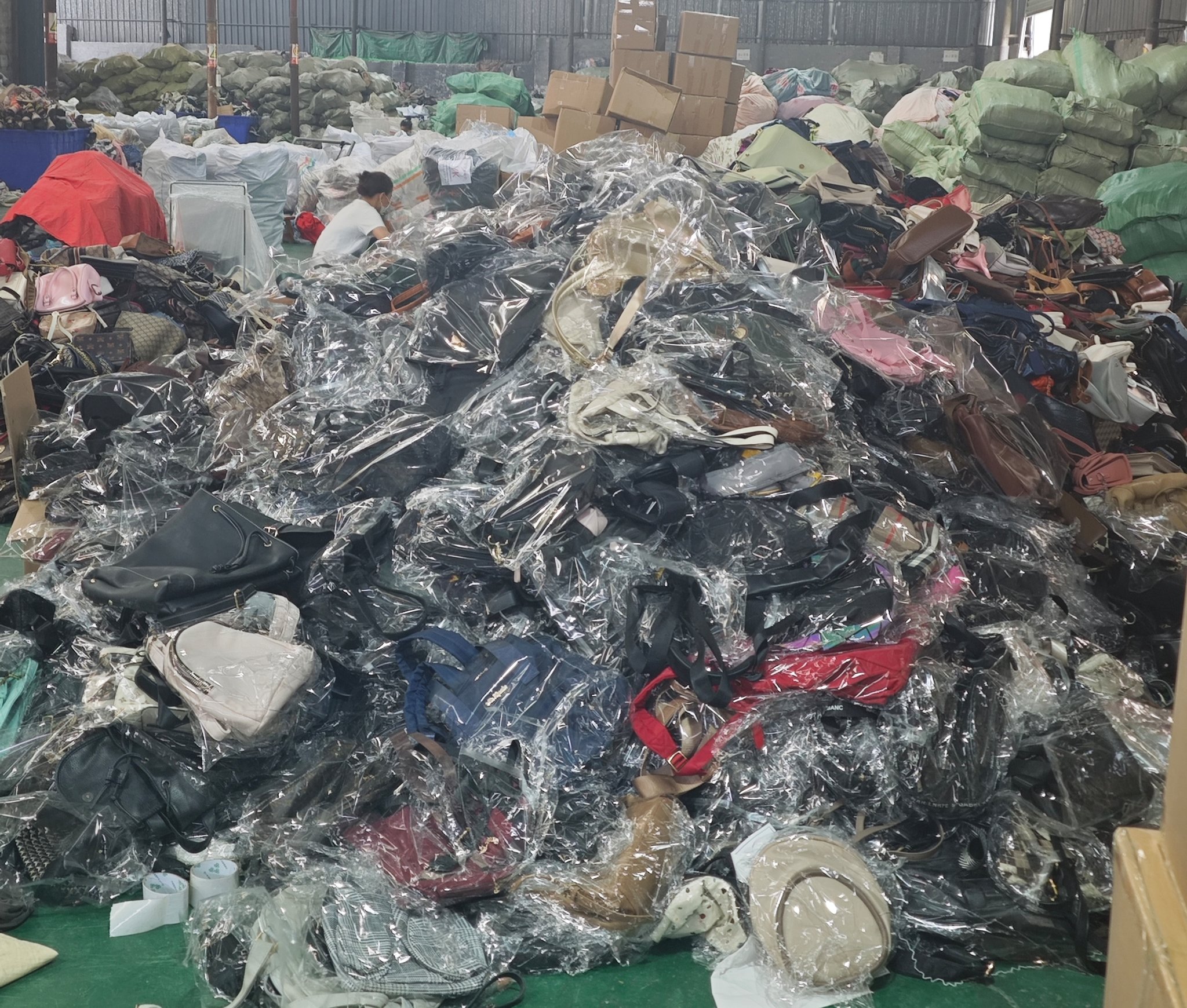
In B2B export, your biggest enemy is "Empty Space" (CBM). The Gap-Filling Strategy: Used clothing bales and shoe sacks are often rigid in shape, leaving small gaps in a 40ft HQ container. Because bags are flexible and "squishable," they are the perfect items to fill these gaps.
By adding 50-100 sacks of bags to a clothing container, you increase the total value of your shipment without increasing your ocean freight cost. This effectively makes the "shipping cost per bag" almost zero.
For a complete container loading plan, refer to our 2026 Ultimate B2B Sourcing Blueprint .
6. The Restoration & Preservation Protocol
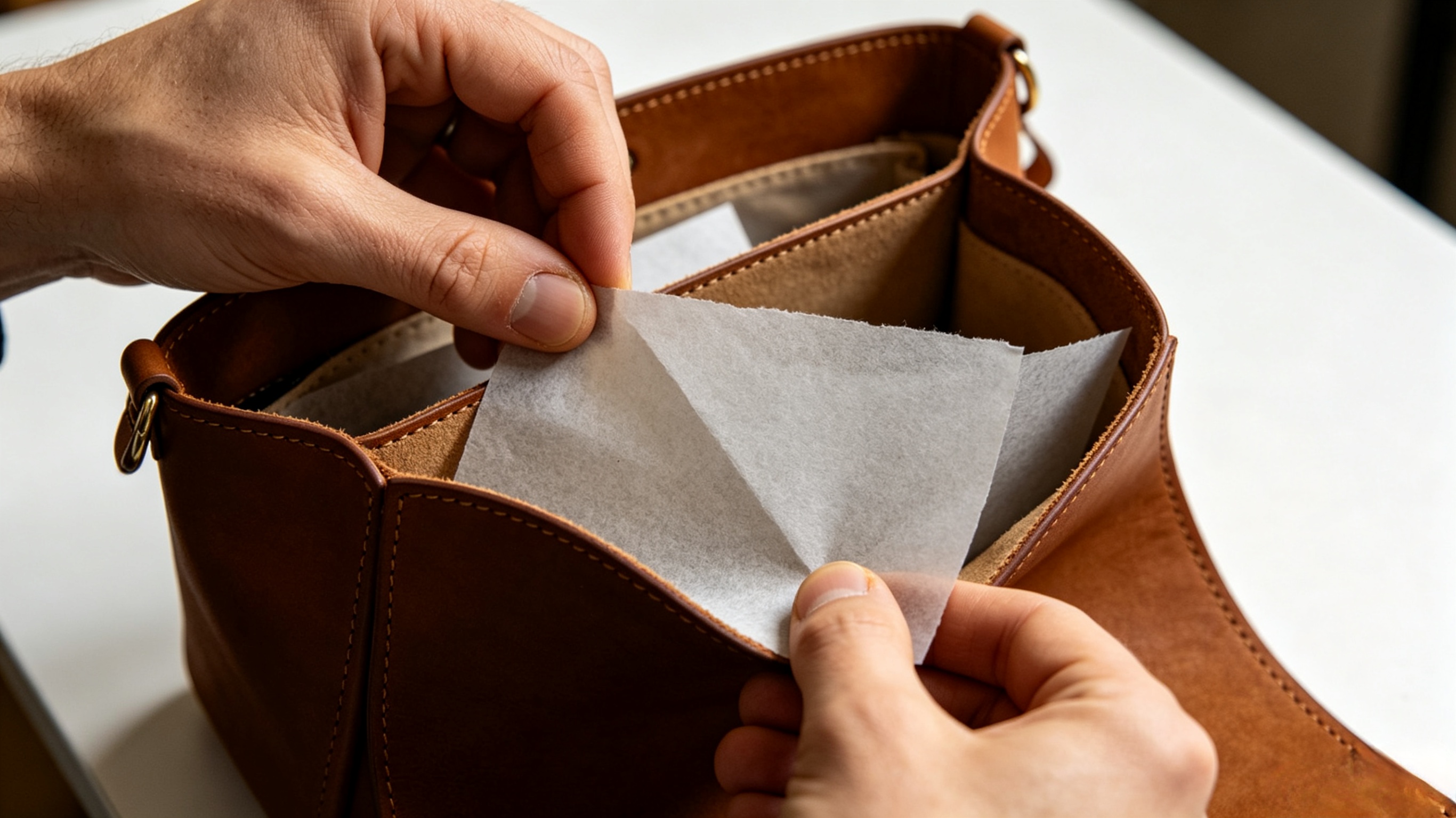
Unlike clothing, bags can be easily damaged by moisture or pressure during their 40-day journey across the ocean. We prevent this through:
- Anti-Mold Treatment: Using silica gel desiccant packs in every sack to prevent mold in humid shipping routes.
- Shaping: High-value bags are stuffed with recycled paper or air cushions to prevent permanent creasing.
- Polishing: Hardware is buffed with specialized cleaners to restore its original shine.
- Specialized Packing: We use 25kg or 45kg sacks made of high-density woven material to protect against punctures.
7. Regional Market Insights: Regional Preferences
- Africa (Nigeria, Kenya): Prefers larger, durable bags and "Branded School Bags." Vibrant colors and leather-look materials are highly popular.
- Southeast Asia (Philippines, Malaysia): High demand for small "Fashion Crossbody" bags and designer-branded mini-backpacks.
- Latin America: A mix of professional briefcases and trendy women's handbags. "Luxury Brand" recognition is very high here.
8. FAQ: Frequently Asked Questions
Q: How do you guarantee the authenticity of designer bags? A: While we are a wholesale factory and not a dedicated boutique, our sorters are trained to identify "Super Fakes." Anything that is clearly a low-quality counterfeit is rejected. We focus on "Authentic Vintage" and high-quality "Original Style" bags.
Q: Can I request a container of ONLY "Branded Bags"? A: Yes, we offer "Cream Grade" branded bags as a separate category, though the price point is significantly higher.
Q: How do you prevent bags from sticking together in the heat? A: We use specialized non-stick divider sheets for patent leather or PU bags to ensure they arrive in perfect condition.
9. Conclusion: Partnering for Profit
In the used goods industry, success belongs to those who understand the value of a balanced container. Used bags are the bridge between volume and profit. When you partner with Guangzhou Tengchao Trading Co., Ltd., you get more than just a supplier; you get a logistics and quality partner dedicated to your growth.
Ready to add high-margin bags to your next shipment?
Stop Buying "Garbage" Bags: The Dirty Secrets of the Used Handbag Trade and How to Find Real Grade A Quality