
Why Are More and More People Choosing to Buy Secondhand Clothes?
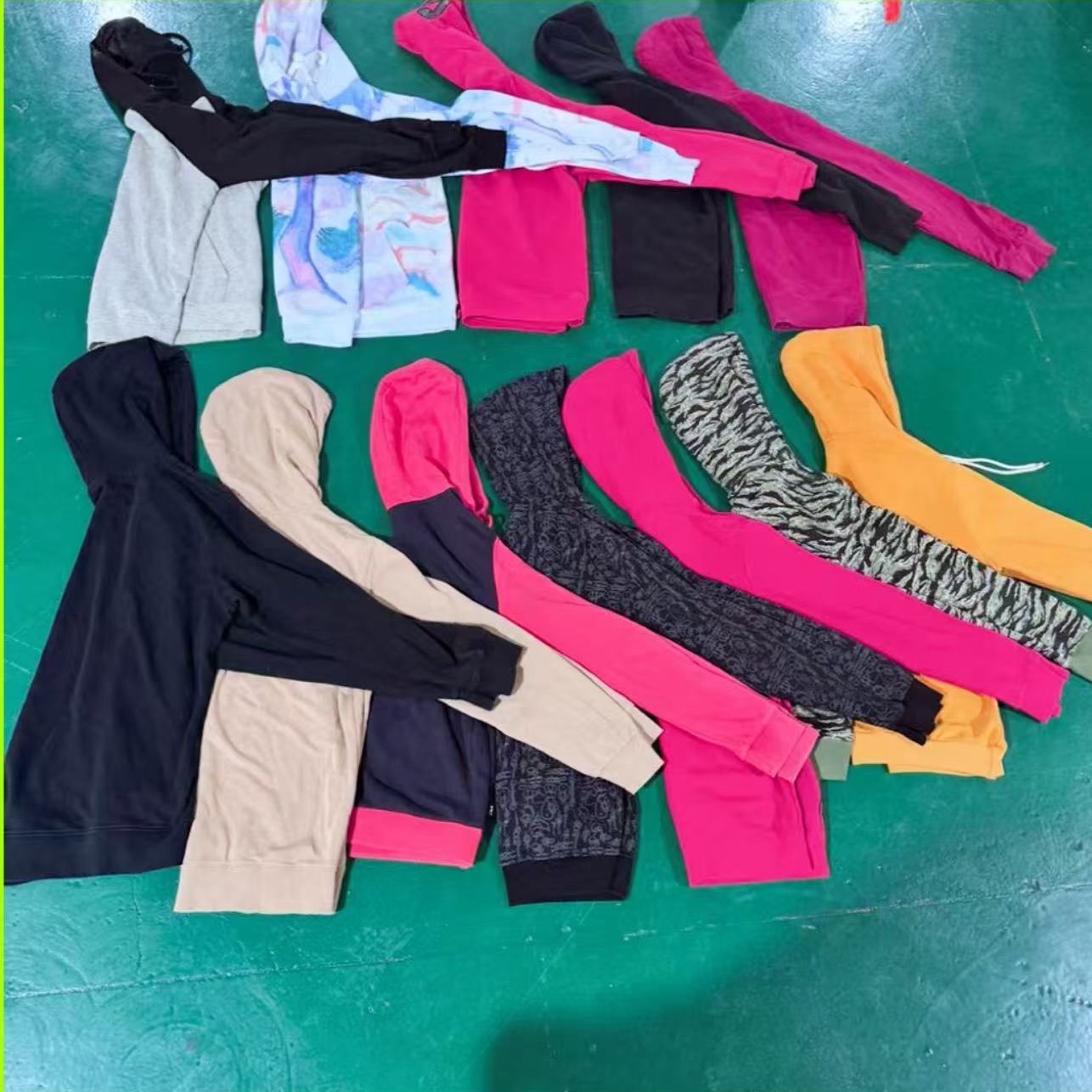
As global consumption attitudes continue to evolve, secondhand clothes have long outgrown the old image of being "cheap and worn-out." Instead, they have gradually become a widely accepted and even trend-leading consumption choice. In many countries and regions around the world, an increasing number of people are choosing secondhand clothing. This trend is driven not only by economic factors but also by lifestyle values, environmental awareness, and practical needs, bringing new development opportunities to the secondhand clothing market globally.
For many ordinary consumers, high cost-performance is the most direct and realistic reason for choosing secondhand clothes. In many countries, rising prices and living costs have made new branded clothing relatively expensive, while secondhand items often cost only a fraction of the original price. Buyers can find garments in good condition, quality fabrics, and even nearly new pieces. For students, young office workers, and people who focus on practical daily wear, spending less allows them to own more styles and higher-quality clothes. This meets their dressing needs without financial pressure, making rational and affordable consumption increasingly popular.
Meanwhile, the growing popularity of environmental protection and sustainability has encouraged more people to choose secondhand clothes voluntarily. While the fast-fashion industry offers a wide variety of styles, it also causes massive resource waste and environmental pollution. Producing and disposing of a single garment consumes large amounts of water, electricity, and raw materials. Choosing secondhand clothes essentially extends the lifespan of garments, reduces the demand for new clothing production, and eases the environmental burden of textile waste. Today, more and more people recognize the importance of environmental protection and view buying secondhand clothes as an eco-friendly lifestyle. This choice, which combines responsibility and practicality, is becoming a new social trend.
The pursuit of unique, distinctive personal style is another key reason for the popularity of secondhand clothes. Unlike mass-produced, similar new clothes in shopping malls, secondhand items often include vintage, classic, niche, and even discontinued designs. These pieces carry a sense of age and unique character, making it easier to create a personal style and avoid identical outfits. Many people enjoy the fun of "treasure-hunting" in secondhand clothing, using niche, high-quality items to build their own image—a one-of-a-kind fashion experience that ordinary fast fashion cannot replace.
In addition, changing attitudes toward secondhand clothing have created a positive environment for this market. The secondhand clothing trade is becoming increasingly standardized: most items are cleaned, organized, and disinfected before sale, ensuring quality and hygiene. Buying secondhand clothes is no longer a last resort but a rational, fashionable, and mindful consumption choice. Whether for daily commuting, casual outings, or simple wardrobe updates, secondhand clothes can fully meet demand. More and more people have let go of prejudice and truly accepted and embraced this consumption model.
From affordability and environmental awareness to personal style and changing mindsets, secondhand clothes are entering people’s lives with a brand-new image. They represent more than just a simple shopping decision—they embody a rational, sustainable, quality-focused, and individualistic lifestyle. In the future, as these values gain wider recognition, even more people will choose secondhand clothes, and the secondhand apparel industry will continue to show strong vitality and potential in more markets worldwide.
Direct Supply from Guangzhou Source Factory: Dual Guarantee for Quality and Supply of Second Hand Shoes, Clothing and Bags
Wholesale Second Hand Shoes Suppliers – Guangzhou Tengchao Trading Co., Ltd.
Related Article