
Notes on Second hand Clothing Export, A Must-read for Newbies
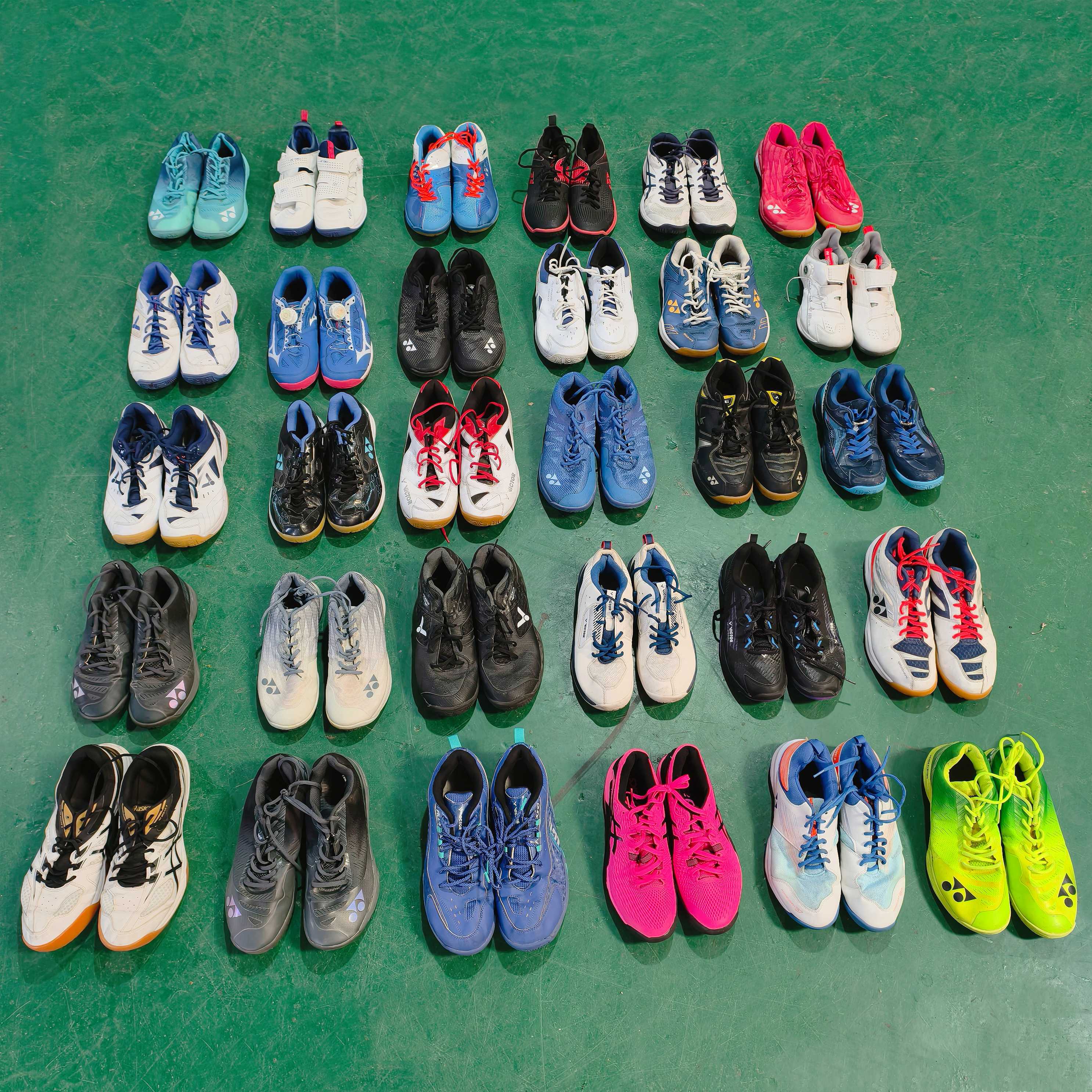
As an international buyer looking to import second-hand clothing from China for your overseas business, fully understanding the entire process, quality standards, customs clearance requirements, and risk prevention points of second-hand clothing export is essential before you officially start your business. This is the key to ensuring a smooth start and avoiding unnecessary losses. Although foreign trade of second-hand clothing seems to have a low threshold, it involves many critical links such as sanitary inspection, customs declaration, international certification, logistics and transportation, and intellectual property rights. Any carelessness in details may result in goods being detained, delayed customs clearance, extra fines, or even the entire batch being returned, which will directly affect capital turnover and business reputation. First of all, it must be clear that China implements a policy of **allowing export only and strictly prohibiting import** of second-hand clothing. Exported second-hand clothing must meet the basic requirements of “obviously used, cleaned and disinfected, and declared in large bales”, and is uniformly classified under HS Code 63090000. This is the basic compliance requirement for all transactions, and also the first point that overseas buyers must confirm when cooperating with Chinese suppliers.
Quality is the lifeline of the second-hand clothing business, and it is also the area where overseas newbies are most likely to make mistakes. Controlling quality from the source is far more important than solving problems after they occur. When selecting suppliers, you should not only focus on price, but also verify their full-process capabilities in sorting, cleaning, disinfection, and packaging. Qualified exported second-hand clothing must undergo professional cleaning and high-temperature disinfection, free of mildew, odor, moth damage, and obvious stains. Meanwhile, defective products that affect wearing, such as damaged zippers, missing buttons, torn fabrics, and loss of elasticity, should be removed. Infant and children’s clothing must also meet the safety standards of the target market to avoid potential safety hazards such as straps and small accessories. In addition, the ingredient labels of clothing must be clear and accurate. Mixed materials should be labeled according to the main components to avoid customs clearance problems caused by inconsistency between labels and actual goods. Different categories such as men’s wear, women’s wear, children’s wear, winter clothes, and summer clothes should also be packed separately to facilitate subsequent sales and customs clearance classification. Good appearance and standardized sorting can not only enhance competitiveness in the local market, but also greatly reduce the probability of being inspected during customs clearance.
Compliant documents and international certifications are the core of customs clearance for second-hand clothing exports. Requirements vary greatly among different countries and regions. As an overseas buyer, you must clarify the import regulations of your country in advance to avoid goods being unable to enter the country due to missing documents. At present, the main export markets for second-hand clothing are concentrated in Africa, the Middle East, Southeast Asia and other regions. Most of these markets mandatorily require a **COC (Certificate of Conformity)**. African countries such as Kenya, Tanzania, and Uganda have particularly strict inspections on this certificate. At the same time, health certificates, fumigation certificates, and VOC certification are also required. Countries such as Nigeria require SONCAP certification, and some Middle Eastern countries also need to meet SASO standards. However, the United States, the European Union and other regions have strict restrictions on the import of second-hand textiles, and some areas only allow personal use in small quantities, strictly prohibiting commercial bulk imports. Before cooperation, make sure that your Chinese supplier completes all certifications and documents required by the target market in advance, including commercial invoices, packing lists, customs declarations, bills of lading, disinfection certificates, origin declarations, etc. All document information must be completely consistent with the actual goods, and the weight, quantity, value, and product name must not be falsely reported. Otherwise, it is very easy to be investigated and dealt with by customs, resulting in heavy fines or even confiscation of goods. Logistics, transportation and packaging are directly related to cargo safety and transportation costs. Overseas newbies need to plan transportation plans in advance and do a good job in protection and labeling. Second-hand clothing is usually exported in compressed large bales. The packaging must be firm and waterproof to avoid moisture and damage during sea transportation. The outer packaging should be clearly marked with “Second-hand Clothing”, “Destination”, “Batch Number” and other information. Wooden packaging must undergo IPPC fumigation and be labeled to prevent customs from detaining goods due to packaging problems. Sea container transportation is the preferred method, which is cost-effective and suitable for large quantities of goods. Be sure to purchase transportation insurance before shipment to cover risks such as damage, loss and delay during sea transportation. At the same time, sufficient buffer time for transportation should be reserved to avoid affecting sales due to schedule adjustments and port congestion. In addition, maintain close communication with suppliers and freight forwarders, track the trajectory of goods in real time, and go through customs clearance procedures in time after arrival to avoid additional costs such as demurrage and storage fees. These hidden costs often squeeze profit margins, and newbies especially need to calculate them in advance.
Intellectual property rights and trade risks are easily overlooked key points in second-hand clothing foreign trade and must be highly valued. Second-hand clothing often carries brand logos. Even if it is second-hand, you must ensure that it does not infringe on intellectual property rights such as trademark rights and design patents, to avoid goods being detained by customs when exported to regions with strict intellectual property protection such as Europe and the United States. Cooperative suppliers must have awareness of intellectual property compliance and check infringement risks in advance. For transaction settlement, newbies are recommended to choose safe payment methods, giving priority to the T/T deposit model. Credit insurance can be considered for large orders to avoid financial losses caused by customer credit problems and exchange rate fluctuations. At the same time, sign a standardized trade contract, clarifying quality standards, delivery time, document requirements, liability for breach of contract and other clauses to protect the rights and interests of both parties through contracts. In addition, tariff policies and import restrictions of different countries will be adjusted dynamically. You should continuously pay attention to policy changes in the target market and adjust procurement and export plans in a timely manner. When encountering customs clearance problems, contact professional customs clearance agents and suppliers to solve them together immediately, and do not handle them on your own to avoid worsening the problem.
For overseas newbies who have just entered the field of second-hand clothing foreign trade, there is no need to rush for large-scale orders. Start with small-batch trial orders, familiarize yourself with the entire process, verify supplier quality and customs clearance stability, and gradually expand the scale after accumulating experience. The core competitiveness of second-hand clothing foreign trade lies in compliance, quality and stable supply chain. As long as you firmly grasp the four key points of quality control, complete documents, safe logistics and risk prevention, you can effectively avoid common traps and make your business start steadily. When cooperating with Chinese suppliers, choosing partners with formal export qualifications, rich experience and complete services can also greatly reduce operational difficulty. Following the laws, regulations and industry standards of various countries and operating in good faith is the only way to achieve long-term and stable development and ideal profits in the second-hand clothing foreign trade industry.
How to Find the Right and Suitable Second Hand Shoes Website on the Internet
Translation: How to Buy Secondhand Shoes in China? Choose Teng Chao for a Worry-Free Sourcing Experience
Related Article